Hey there, fellow fabric fanatics and industry folks! As a polyester fabric supplier who’s been in the game for a minute, I get it—choosing between polyester and rayon can feel like navigating a maze blindfolded. Both are super popular, but they’re like night and day when you dig into the nitty-gritty. Let’s break this down like we’re chatting over a coffee (minus the iced stuff, since I’m partial to hot brews) and skip the boring textbook jargon. Polyester Fabric
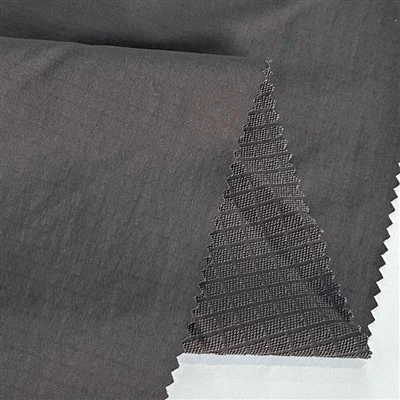
First off, let’s start with the basics: what even ARE these two fabrics? Polyester’s a synthetic, right? Made from petrochemicals—you know, those fossil fuels they turn into plastic, bottles, even that jacket you have that never wrinkles. Rayon? It’s a semi-synthetic, sometimes called “artificial silk,” made from wood pulp. Think of it as nature’s middle ground, pulled from trees but spun into fibers that mimic silk or cotton. That core difference between synthetic vs. semi-synthetic is where most of their traits start to split.
Let’s talk durability ‘cause that’s a big one for any brand or maker I work with. Polyester is basically the tough guy of the fabric world. I’ve seen polyester tees that get thrown in the wash a hundred times, rolled up in a suitcase for weeks, and still look the same—no pilling, no fading, no stretching out. It’s resistant to abrasion, which is why it’s perfect for stuff like outdoor gear, uniform scrubs, even activewear. Rag buyers love it ‘cause it doesn’t hold up a grime like other fabrics, so it’s low-maintenance for their customers. Rayon? Not so much. It’s way more delicate. Wash it too hot, or rub it too hard, and it’ll pill, shrink, or lose that soft drape. I once had a client bring back a batch of rayon-blend dresses ‘cause half the seams split after the first wash—total nightmare. If durability’s your vibe, polyester’s your dude.
Next up, comfort and breathability. This is where rayon might have a leg up, but it’s not all sunshine and roses. Rayon’s super soft against the skin, right? Feels smooth, like silk, so it’s great for summer blouses, lingerie, that flowy maxi dress you wear to BBQs. It’s also more breathable than basic polyester, which means it lets air pass through a little easier—so you don’t feel like you’re sweating through a plastic bag. But here’s the catch: when rayon gets wet, it holds onto that moisture. If you spill a drink on it, or it rains on you, it stays damp for ages, and it gets heavy too. Polyester? It’s not exactly “breathable” by natural fabric standards, but modern polyesters are treated with wicking finishes—you know, the stuff that pulls sweat away from your skin for activewear. It dries in like 10 minutes if you hang it up, which is wild. I’ve had runners tell me their polyester tees dry mid-5K. The downside? Some people with super sensitive skin say basic polyester can feel a little scratchy, especially if it’s not blended with something else (like cotton or spandex). But hey, most modern polyesters have microfiber finishes now that fix that—my customers swear by ‘em for kids’ clothes ‘cause they’re soft enough without the mess.
Wrinkle resistance, let’s be real—who has time to iron? Polyester is basically wrinkle-proof. Throw it in a suitcase, crumple it up, take it out, and it’s still good to go. That’s why so many travel brands stock polyester. Rayon? It’s the total opposite. If you fold a rayon shirt and leave it in a drawer for a day, it’s got creases you could use as a blueprint. You have to iron it every time, and even then, some blends still hold onto wrinkles. I had a hotel client a while back that switched from rayon pillowcases to polyester ‘cause their housekeeping team was spending 2 hours a day ironing—game changer for their workflow.
Now cost. This is where polyester kills it. Since it’s made from petrochemicals, it’s cheaper to produce in large quantities. That means bulk polyester fabric is way more affordable than rayon, which is made from processed wood pulp—more steps, more labor, higher costs. Small business owners I work with love polyester ‘cause they can price their products competitively without cutting corners on quality. Rayon’s pricier, which is why you see it more in mid-range to high-end clothing, not the fast-fashion basics.
Environmental impact—this is a huge one lately, and I know a lot of you care about that. Let’s be honest, neither is perfect. Polyester’s a plastic-based fabric, so it sheds microfibers when you wash it, which end up in oceans and waterways. That’s a bummer. But wait—there’s a flip: polyester is 100% recyclable. I work with a few brands that use recycled polyester (made from plastic bottles) and that cuts down on waste big time. Rayon, on the other hand, is “natural” in that it’s wood pulp, but the process to make it uses harsh chemicals (like carbon disulfide) that can be bad if not disposed of properly. Also, a lot of rayon is made from virgin wood, which contributes to deforestation if it’s not sourced responsibly. Some brands use “viscose rayon” which is supposed to be more eco-friendly, but not all of ‘em live up to that. So it’s a wash—neither is green, but polyester has a growing recycled option if that’s what you’re after.
Versatility. Let’s see: polyester can be printed on like a dream. The dye binds really well, so colors stay vibrant even after dozens of washes. You can make it into anything—athletic wear, uniforms, upholstery, curtains, even tote bags. Rayon prints nicely too, but the fabric is so delicate that if you stretch it, the print can crack. I had a client that made custom rayon tote bags, and half the prints cracked after the first use. Oops. Polyester also takes treatments really well—waterproofing, UV protection, flame retardant, whatever. That’s why it’s used in industrial stuff too, like workwear for construction or firefighting. Rayon’s not really suited for any heavy-duty treatments, since it’ll break down.
Wait, let’s not forget stretch. A lot of fabrics get blended with spandex for stretch, but polyester itself can be modified to have some stretch—like stretch polyester fabric is super popular for leggings or swimwear. Rayon is pretty much non-stretch, unless you blend it with spandex, which adds cost. So if you need that move-with-you flexibility, polyester’s easier to work with.
Now, who should pick which? Let’s wrap this up with real-world examples. If you’re making activewear, outdoor gear, uniforms, travel essentials, or budget-friendly basics—polyester’s your guy. It holds up, it’s affordable, it does the job without fuss. If you’re making summer dresses, blouses, lingerie, or something where softness and drape are king, and you don’t mind a little extra care—rayon might work. But here’s the thing: as a polyester fabric supplier, I don’t push my stuff on everyone. I tell clients, “If rayon’s exactly what you need for that flowy dress, go for it—but if you want something that lasts, keeps its color, and doesn’t break the bank, polyester’s solid.”
A lot of people mix these two up, thinking they’re both “soft fabrics” or something, but once you get past the surface, they’re totally different. I’ve had small business owners come to me saying they used rayon and kept having returns for pilling, shrinkage, etc.—switching to polyester fixed 90% of their issues. Then I’ve had designers who swear by rayon for their seasonal line ‘cause it’s that dreamy drape that polyester can’t replicate.
At the end of the day, it boils down to what your product needs. Durability? Polyester. Softness and breathability? Rayon (but handle with care). Cost? Polyester. Eco-friendliness? Both have their flaws, but recycled polyester is gaining steam.

If you’re a brand owner, a manufacturer, or someone who’s sourcing fabric and still unsure—hit me up. I’m not here to sell you something you don’t need, but I can walk you through samples, break down costs, and help you pick what fits your project. No pressure, just real talk from someone who’s spent years dealing with both fabrics.
By Material References
Textile Institute. (2022). Synthetic vs. Semi-Synthetic Fabrics: Performance & Applications.
U.S. Environmental Protection Agency. (2021). Microfiber Shedding from Synthetic Textiles and Environmental Impacts.
Forest Stewardship Council. (2023). Responsible Sourcing of Cellulosic Fibers for Rayon Production.
Textile World. (2020). Polyester vs. Rayon: A Comparison for Apparel and Industrial Uses.
Hangzhou Kangsheng Textile Co., Ltd.
Hangzhou Kangsheng Textile Co., Ltd. is one of the most professional polyester fabric manufacturers and suppliers in China. We have world-leading production equipment and strong manufacturing capabilities. Please rest assured to wholesale bulk high quality polyester fabric from our factory. Also, custom service is available.
Address: 22# Building, K7 Original park,No.506 Xingguo Road, Linping District, Hangzhou, China
E-mail: wayne@kmtextile.net
WebSite: https://www.kangshengtextile.com/
